
The digital nomad lifestyle has evolved from a niche experiment into a permanent shift in how people work globally. As remote work becomes more established, the key question is no longer whether a job is remote, but whether it truly allows professionals to work from anywhere in the world.
Many roles labeled as “remote” still include country restrictions, tax residency requirements, or fixed time-zone expectations. This guide focuses on careers that are structurally compatible with global mobility, supported by long-term labor market demand, and realistic entry paths.
Table of Contents
What Makes a Job Truly Digital-Nomad Friendly?
A role that supports long-term international work typically includes:
Flexible or asynchronous working hours
Performance measured by outputs rather than location
Minimal reliance on country-specific compliance
Globally transferable skills
Distributed-team workflows
These characteristics are consistently cited in research by the World Economic Forum, OECD, McKinsey Global Institute, and Harvard Business Review.
1. Technology & Engineering Roles
Highest Pay · Strongest Global Demand

Technology roles remain the most reliable option for digital nomads due to persistent global talent shortages and output-based workflows.
Common roles
- Software Engineer or Developer
- DevOps Engineer
- Cloud Engineer
- QA Engineer
- Cybersecurity Analyst
Difficulty level: High
Typical requirements
- Strong programming or technical skills (languages, frameworks, or platforms)
- Demonstrable experience through projects, repositories, or prior roles
- Understanding of system design, testing, or cloud infrastructure
- Continuous learning due to rapid technological change
Best for: Professionals willing to invest heavily in skill development in exchange for long-term earning power and flexibility.
2. Research, Data & Analytics Careers
Low-Meeting · High Autonomy
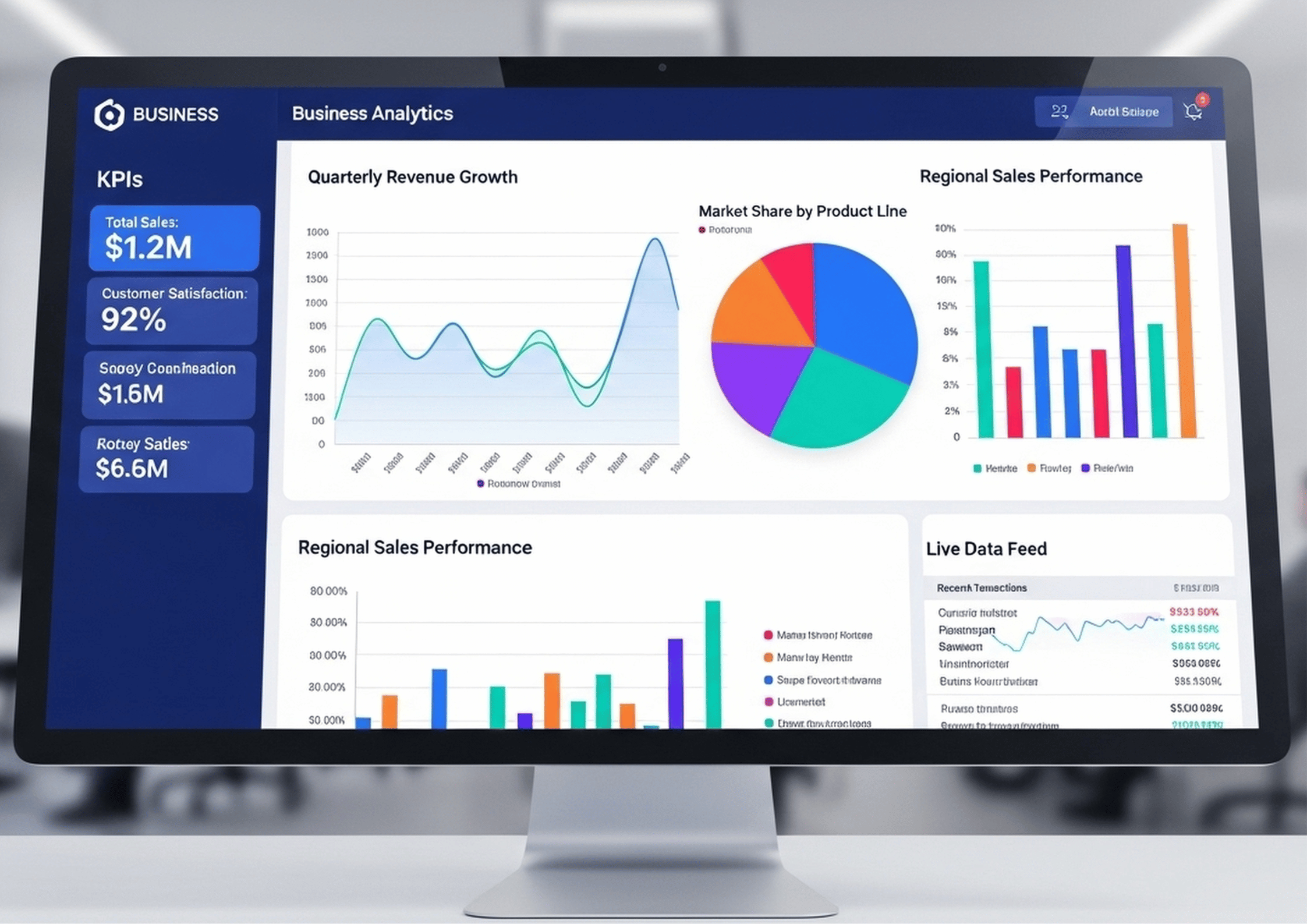
Research and analytics roles are well-suited to digital nomads who prefer deep, independent work over constant collaboration.
Common roles
Market Research Analyst
Data Analyst
UX Researcher
Research Associate
Difficulty level: Medium to High
Typical requirements
Strong analytical and critical thinking skills
Experience with tools such as Excel, SQL, R, Python, or BI platforms
Ability to translate data into written insights and recommendations
Often a degree in economics, statistics, social sciences, or a related field
Best for: Professionals who enjoy structured problem-solving, writing, and asynchronous work.
3. Writing, Marketing & Content-Focused Roles
Easiest Entry · Highly Location-Independent

Content and marketing roles are among the most accessible careers for digital nomads and often allow full geographic flexibility.
Common roles
Content Writer
Copywriter
SEO Specialist
Email Marketing Manager
Social Media Manager
Difficulty level: Low to Medium
Typical requirements
Strong writing or communication skills
Understanding of SEO, analytics, or platform-specific best practices
Portfolio of published work or measurable performance results
Certifications can help but are rarely mandatory
Best for: Career switchers, creatives, and professionals seeking faster entry into location-independent work.
4. Design, UX & Product Roles
Portfolio-Driven · Globally Transferable

Design roles translate well across borders because hiring decisions are driven by portfolios rather than location.
Common roles
UX Designer
UI Designer
Product Designer
Graphic Designer
Difficulty level: Medium
Typical requirements
Strong portfolio demonstrating real or conceptual projects
Proficiency with design tools such as Figma, Adobe, or Sketch
Understanding of user experience principles and visual hierarchy
- Formal education is optional, but portfolios are essential
Best for: Visually oriented professionals comfortable showcasing their work publicly.
5. AI & Machine Learning Roles
High Demand · Rapid Growth · Strong Location Flexibility

Artificial intelligence and machine learning roles have become some of the fastest-growing and most globally distributed careers. Many AI teams operate asynchronously, rely on cloud-based infrastructure, and prioritize output over hours worked, making these roles increasingly compatible with a digital nomad lifestyle.
According to the World Economic Forum and McKinsey Global Institute, AI-related roles are among the top drivers of job growth globally through 2030, particularly in data science, machine learning, and applied AI systems.
Common roles
Machine Learning Engineer
AI Engineer
Applied Data Scientist
AI Research Scientist
MLOps Engineer
Difficulty level: High
Typical requirements
Strong foundation in mathematics, statistics, and probability
Proficiency in Python and common ML libraries (e.g., TensorFlow, PyTorch, scikit-learn)
Experience working with large datasets and model evaluation
Understanding of cloud platforms and model deployment (for applied roles)
Advanced degrees are common but not always required for applied or engineering-focused roles
Best for: Professionals with strong quantitative backgrounds who want to work at the intersection of data, engineering, and automation, and who are comfortable with continuous learning in a fast-evolving field.
Best Digital Nomad Jobs by Experience Level
Beginner-friendly roles often include content writing, social media management, and junior marketing positions. Mid-career professionals commonly thrive in research, UX, design, and data analysis roles. Senior professionals are most likely to find full flexibility in engineering, cloud computing, cybersecurity, and operations leadership.
Final Thoughts
The best digital nomad jobs are not just remote, they are structurally compatible with international mobility. Understanding both the difficulty level and entry requirements of each field allows professionals to choose paths that align with their skills, timeline, and lifestyle goals.
As companies continue shifting toward outcome-based work models, opportunities for location-independent professionals will continue to grow.