Table of Contents
- When You Do, When You Don’t, and Where It’s Strictly Prohibited
- The key distinction most people miss
- When you almost always need a visa or work authorization
- When remote work may be allowed without a special visa
- How long can you work abroad without a visa?
- Countries that strictly prohibit remote work on a tourist or visitor visa
- Why enforcement does not equal legality
- Why digital nomad visas exist
- A simple decision framework
- In Summary
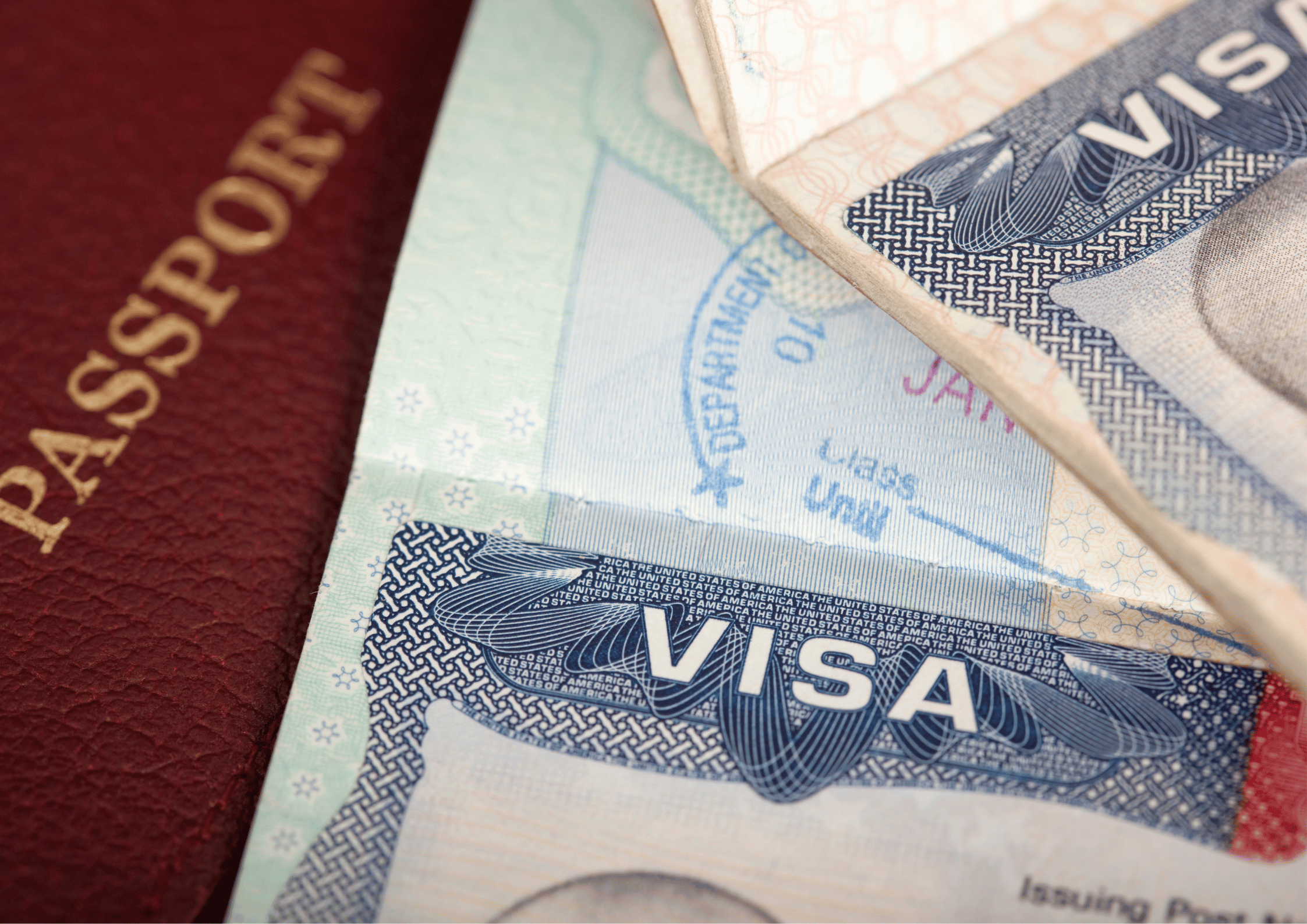
When You Do, When You Don’t, and Where It’s Strictly Prohibited
As remote work becomes more common, more people are asking the same question: can you legally work online while traveling abroad on a tourist visa? The answer is not as simple as yes or no. It depends on immigration law, how “work” is defined, how long you stay, and which country you are in.
This guide explains when you need a visa to work remotely, when you may not, how long you can typically stay without one, and which countries take a strictly illegal stance on working while on a tourist or visitor visa, even if your employer is overseas. All information is based on official government and immigration authority guidance.
The key distinction most people miss
Immigration law separates two different concepts:
- Being legally present in a country as a visitor.
- Being legally authorized to work while there.
Being allowed to enter a country as a tourist does not automatically mean you are allowed to work, even if that work is remote, online, or paid from abroad. In many countries, visitor status is intended strictly for tourism or short-term stays, not productive work.
When you almost always need a visa or work authorization
You generally need a visa or permit beyond tourist status if any of the following apply.
- You work for a local employer or local clients. This is considered participation in the local labor market and almost always requires a work visa or residence permit.
- You plan to stay long term. Tourist stays are short by design. Once you want to stay for several months or longer, most countries require a long-stay visa, digital nomad visa, or residence permit regardless of where your income comes from.
- You want legal certainty. Renting long-term, registering an address, opening bank accounts, or avoiding immigration or tax risk usually requires the correct visa status.
When remote work may be allowed without a special visa
In practice, many remote workers travel on visitor or tourist status while working online for a foreign employer or their own foreign business. Whether this is legal depends entirely on the country.
Some governments have explicitly clarified that limited remote work for a foreign employer is permitted on a visitor stay, as long as it is not the main purpose of the trip and does not involve local employment.
The United Kingdom allows visitors to carry out activities related to their overseas employment remotely, provided remote work is not the primary purpose of the visit and no local work is performed.
New Zealand explicitly allows remote work for overseas employers or clients on visitor visas issued from late January 2025 onward, with no stated limit on the amount of remote work during the stay.
Canada’s immigration authority has clarified that digital nomads may stay in Canada as visitors for up to six months while working remotely for a foreign employer, as long as they do not enter the Canadian labor market.
These destinations are among the lowest-risk options for short-term remote work on visitor status when the stated conditions are respected.
How long can you work abroad without a visa?
There are two limits to understand.
- The first is the immigration stay limit. This is how long you are allowed to remain in the country as a visitor. Common tourist stays range from 30 to 90 days, depending on nationality and destination.
- The second is work authorization. In countries that allow remote work on visitor status, work is only allowed for the duration of that visitor stay. In countries that prohibit work on visitor status, the legal answer is zero days, even if enforcement is inconsistent.
In other words, you can only work without a visa for as long as you are legally allowed to stay and legally allowed to work under that stay.
Countries that strictly prohibit remote work on a tourist or visitor visa
Some countries use very explicit language in their immigration rules stating that visitors must not engage in any form of work, employment, business, or professional activity. These are considered high-risk destinations for remote work without proper authorization, even for short stays.
Singapore is one of the clearest examples. The Immigration & Checkpoints Authority states that holders of a Short-Term Visit Pass must not engage in any form of employment, business, profession, or occupation, whether paid or unpaid, unless they hold an appropriate work pass or exemption. There is no carve-out for remote work or foreign employers.
The United Arab Emirates also takes a strict approach. UAE government guidance states that working while holding a visit or tourist visa is strictly prohibited, whether paid or unpaid. Violations can result in fines, deportation, and entry bans. Remote work is not recognized as an exception under tourist status.
Australia’s Department of Home Affairs is explicit that visitor visas and Electronic Travel Authorities do not permit work. Official guidance states that working while holding a visitor visa or ETA is illegal, and most visitor visas carry a clear “no work” condition.
Japan’s temporary visitor status does not permit remunerative activities or income-generating business operations. Government and embassy guidance consistently frames short-term stays as non-working visits. Japan’s creation of a specific digital nomad visa further reinforces that remote work is treated as a regulated activity.
Why enforcement does not equal legality
Many people work remotely in countries where it is technically prohibited and never encounter issues. That does not mean it is legal.
A country can have strict laws and light enforcement at the same time. Border officers typically focus on length of stay, funds, and onward travel, not laptops or online work. However, enforcement patterns can change, and legal consequences still exist if rules are violated.
If legal clarity matters to you, rely on written immigration rules rather than anecdotes.
Why digital nomad visas exist
Digital nomad visas were created to solve this exact problem. Governments recognized that remote workers earn income abroad, do not take local jobs, and often want to stay longer than tourists.
These visas typically allow stays of six to twenty-four months or more, legal remote work for foreign employers or businesses, clearer residency status, and reduced immigration risk.
For medium- or long-term stays, they are often the safest and most sustainable option.
A simple decision framework
For short stays of a few weeks to a couple of months, choose destinations that explicitly allow remote work on visitor status or understand the legal risk where it is prohibited.
For stays of three to twelve months, a digital nomad visa or long-stay permit is strongly recommended.
If you plan to work for local employers or clients, a local work visa is required.
In Summary
Working remotely abroad is not governed by a single global rule. Whether you need a visa depends on how each country defines work, how long you stay, and whether your income comes from local or foreign sources.
In some countries, limited remote work for a foreign employer is explicitly allowed on a visitor stay. In others, working while on a tourist or visitor visa is clearly prohibited, regardless of where your employer is based. Many destinations fall somewhere in between, where short-term remote work may be tolerated in practice but is not formally authorized by immigration law.
For short trips, choosing destinations that explicitly permit remote work on visitor status reduces risk. For longer stays, a digital nomad visa or long-stay permit offers greater legal clarity, stability, and peace of mind. If you plan to work for local employers or clients, proper local work authorization is required.
Understanding the difference between being allowed to enter a country and being allowed to work there is essential. Taking the time to choose the correct visa before you travel can prevent unnecessary stress, legal issues, and disruptions to your remote work lifestyle.
If you are planning your next move, staying informed about visa rules and legal options is one of the most important steps you can take as a remote worker or digital nomad.