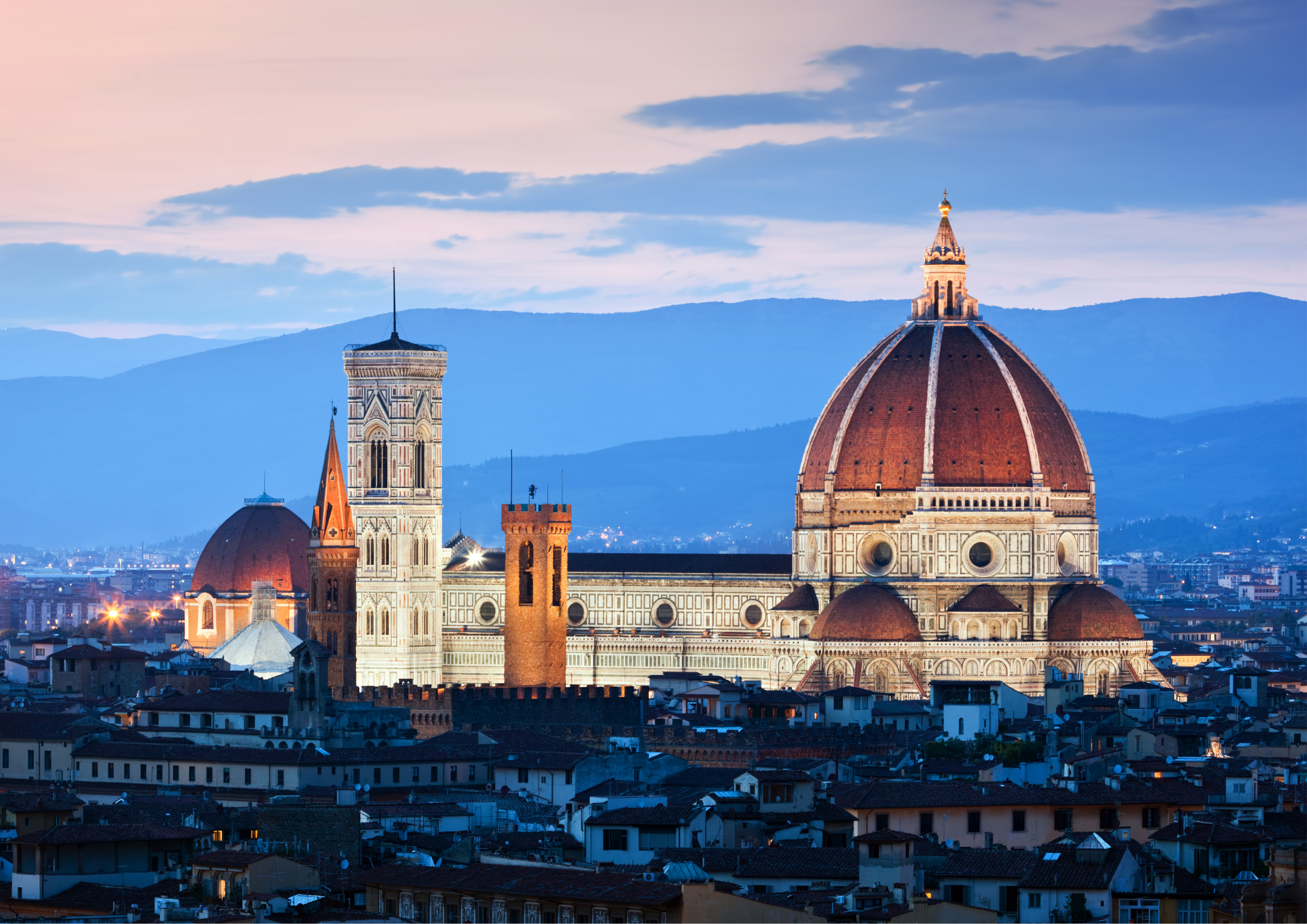
Europe continues to dominate as the top region for digital nomads in 2026, offering a unique combination of high-quality infrastructure, diverse lifestyles, and an expanding range of digital nomad visas. Whether you're looking for affordability, community, or long-term residency options, Europe provides some of the best destinations globally for remote workers.
In this guide, we break down the most popular European countries for digital nomads in 2026, based on visa accessibility, cost of living, infrastructure, expat communities, and overall lifestyle.
Table of Contents
Why Europe Is the Top Choice for Digital Nomads in 2026
Europe stands out for several reasons:
- Over 40+ countries offering digital nomad or remote work visas
- Strong infrastructure including reliable Wi-Fi, coworking spaces, and healthcare systems
- Easy travel between countries (especially within the Schengen Area)
- Diverse lifestyle options ranging from beach towns to major cities
- Large, established digital nomad communities
Southern Europe in particular continues to lead due to its balance of affordability, climate, and lifestyle.
1. Portugal
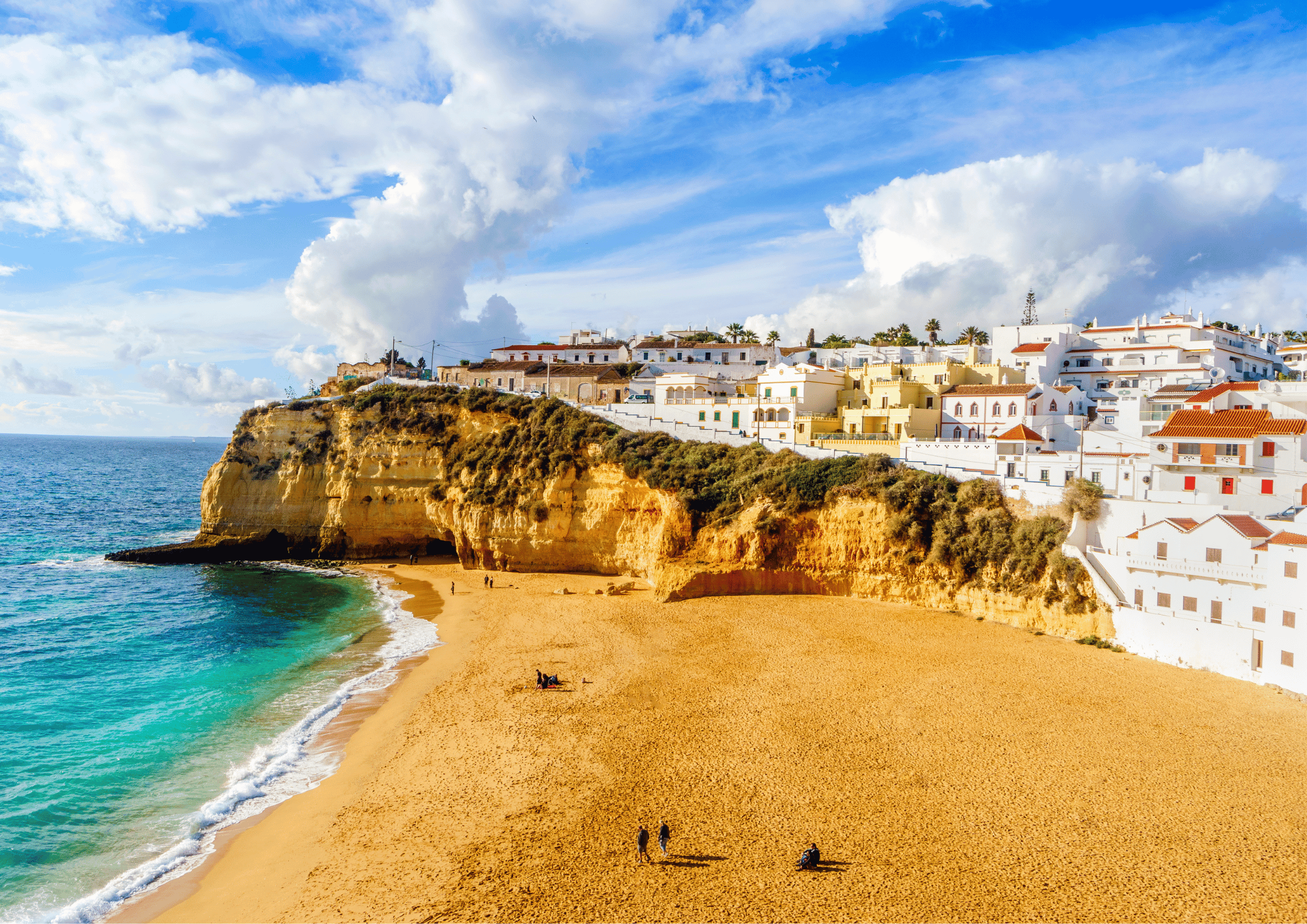
Portugal remains one of the most popular digital nomad destinations in Europe.
Why it’s popular
- D8 Digital Nomad Visa (one of the most widely used in Europe)
- Large expat and nomad communities
- High quality of life with relatively affordable costs
Best cities for digital nomads
- Lisbon (vibrant, international hub)
- Porto (more affordable, slower pace)
- Madeira (famous digital nomad village)
Things to consider (2026)
- Rising cost of living in Lisbon
- Increasing demand for long-term rentals
Best for: Community, lifestyle balance, and long-term stays
2. Spain
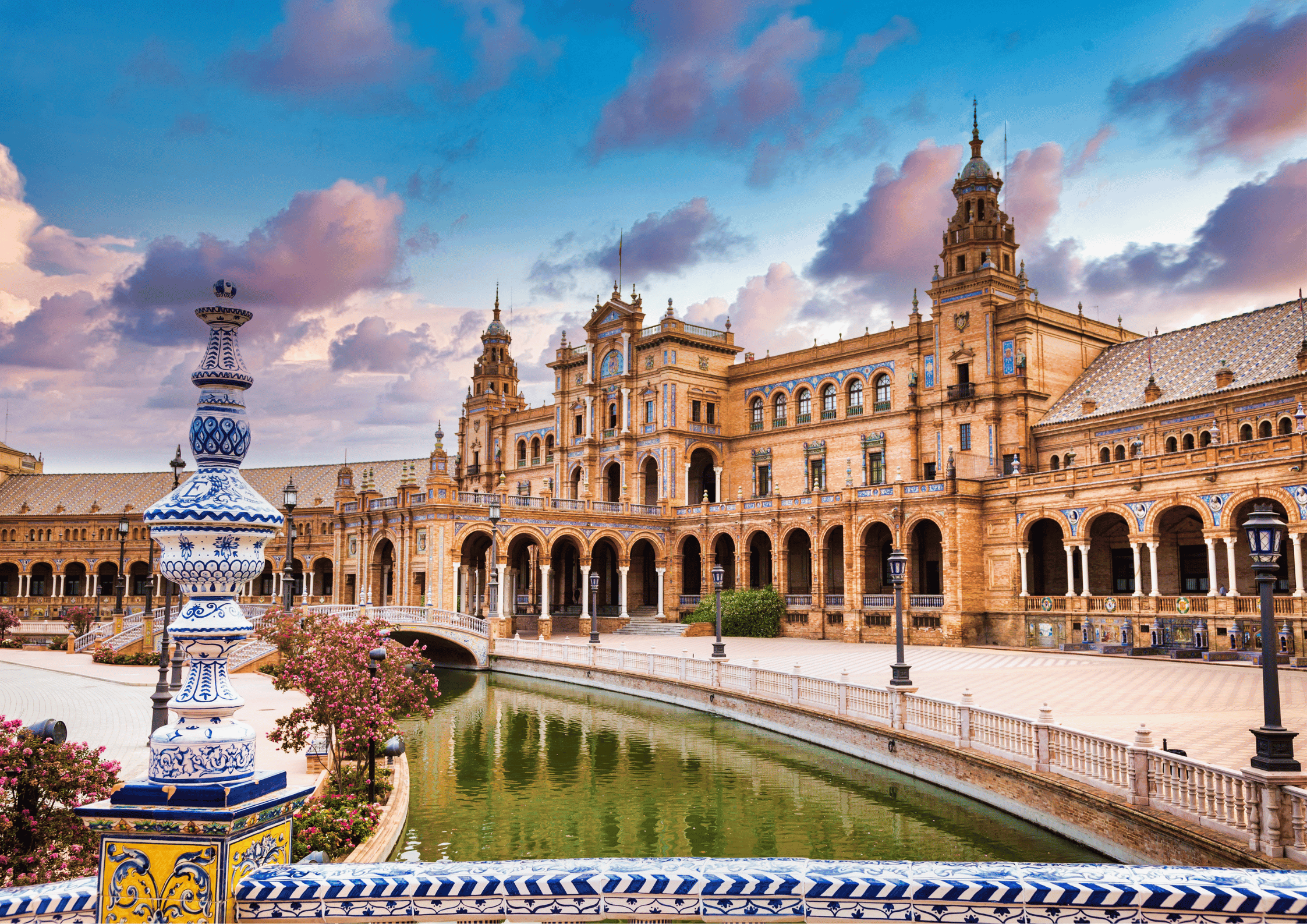
Spain has quickly become one of the top digital nomad countries in Europe after introducing its digital nomad visa.
Why it’s popular
- Digital Nomad Visa under the Startup Act
- Excellent healthcare and infrastructure
- Diverse city options and climates
Top cities
- Barcelona (creative + startup scene)
- Valencia (best balance of cost and lifestyle)
- Málaga (rapidly growing nomad hub)
- Madrid (urban, career-focused)
Things to consider
- Bureaucracy can be slow
- Taxes may apply depending on residency status
Best for: Work-life balance, city variety, and quality of life
3. Greece
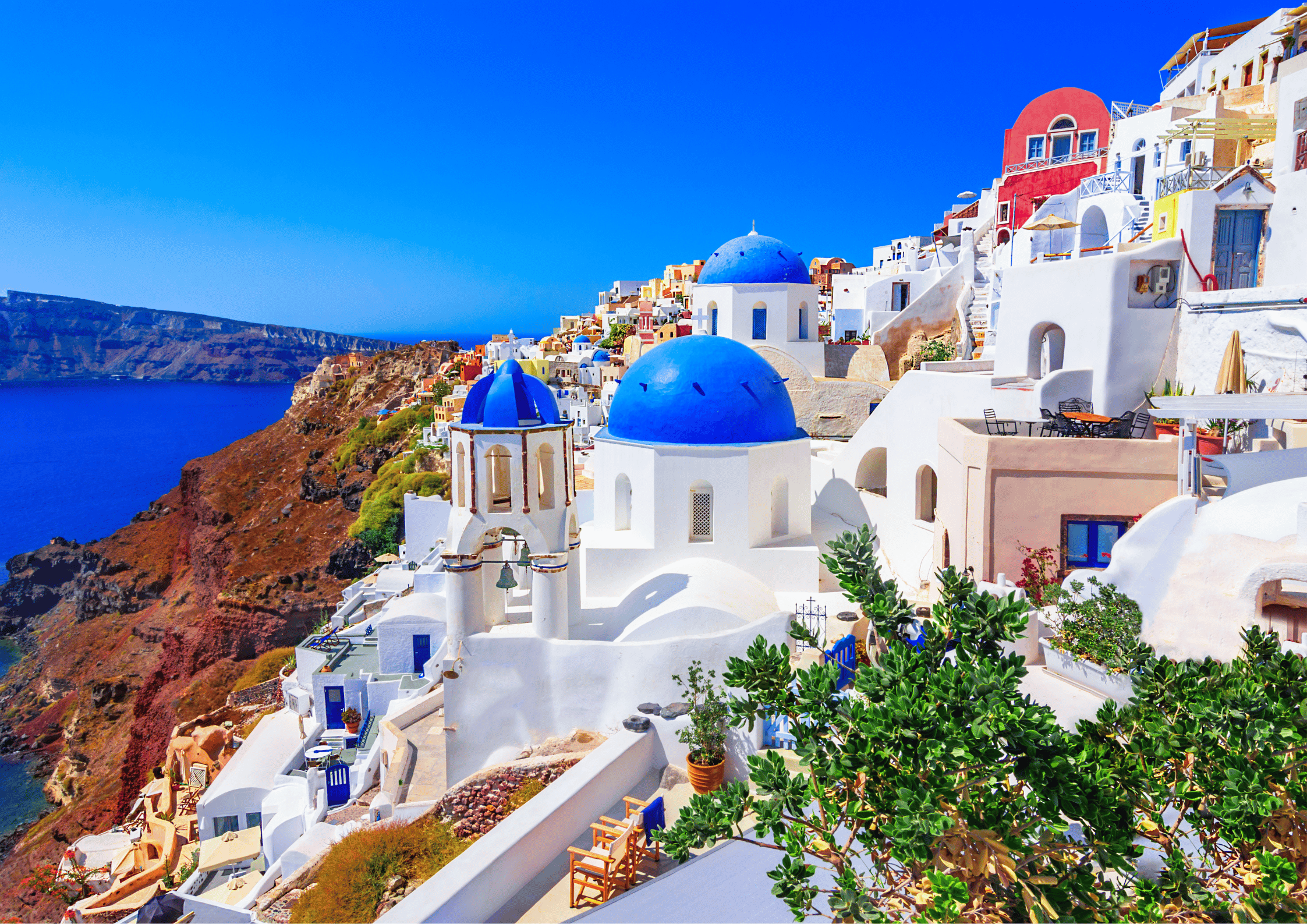
Greece continues to rise as a top European destination for remote workers.
Why it’s popular
- Digital nomad visa and tax incentives
- Lower cost of living than Western Europe
- Access to both city life and island living
Top locations
- Athens (main hub)
- Thessaloniki (underrated, affordable)
- Crete (long-term island living)
Things to consider
- Seasonal fluctuations (busy summers, quiet winters)
- Infrastructure varies by island
Best for: Scenic lifestyle, slower pace, affordability
4. Italy (Rising in 2026)
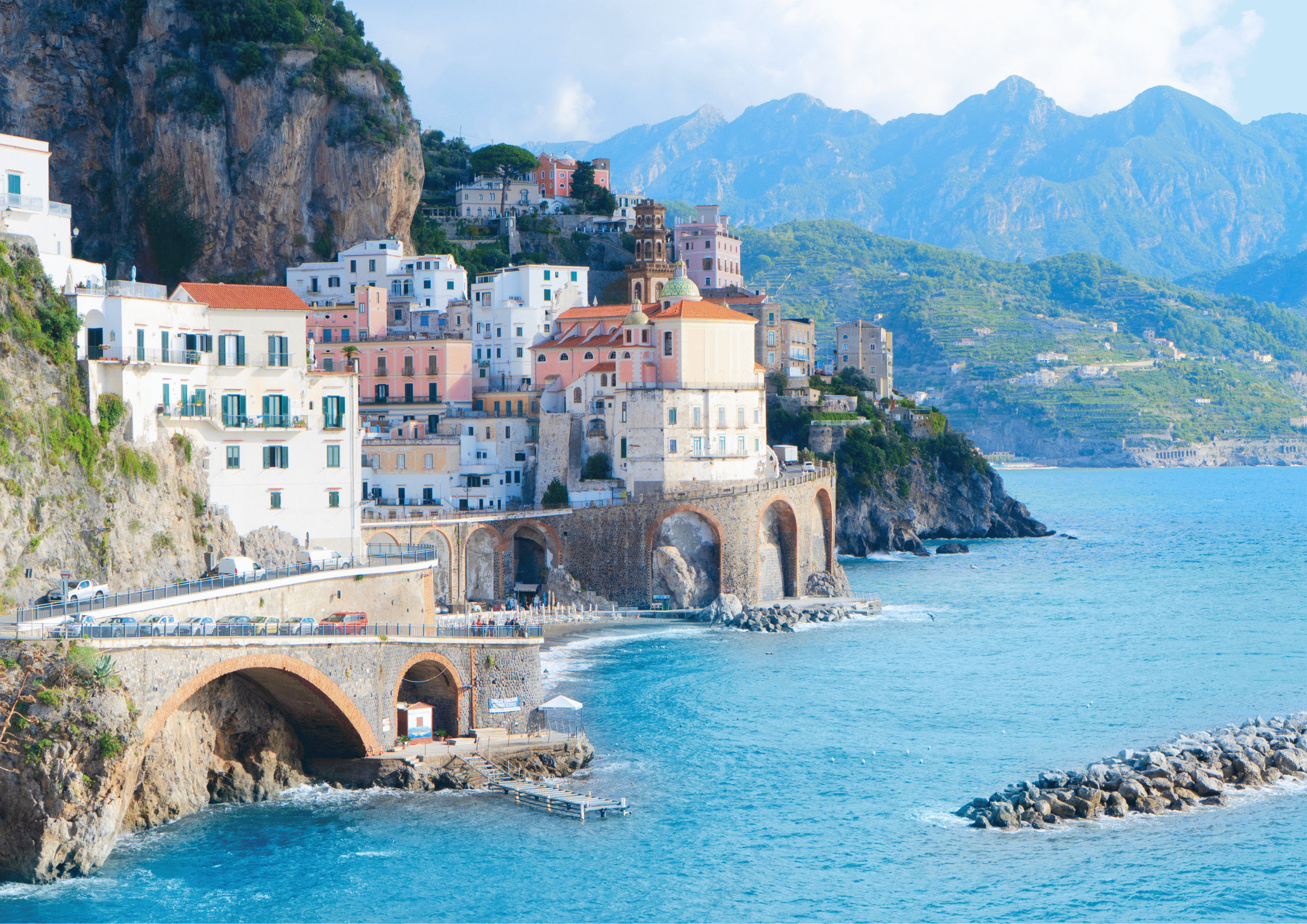
Italy is gaining traction after launching its long-awaited digital nomad visa.
Why it’s popular
- Strong cultural appeal
- Increasing remote work infrastructure
- Growing interest among long-term nomads
Top cities
- Milan (business + modern infrastructure)
- Rome (culture + connectivity)
- Florence (lifestyle-focused)
Things to consider
- Slower bureaucracy
- Cost varies significantly by city
Best for: Culture, lifestyle, and immersive living
5. Croatia
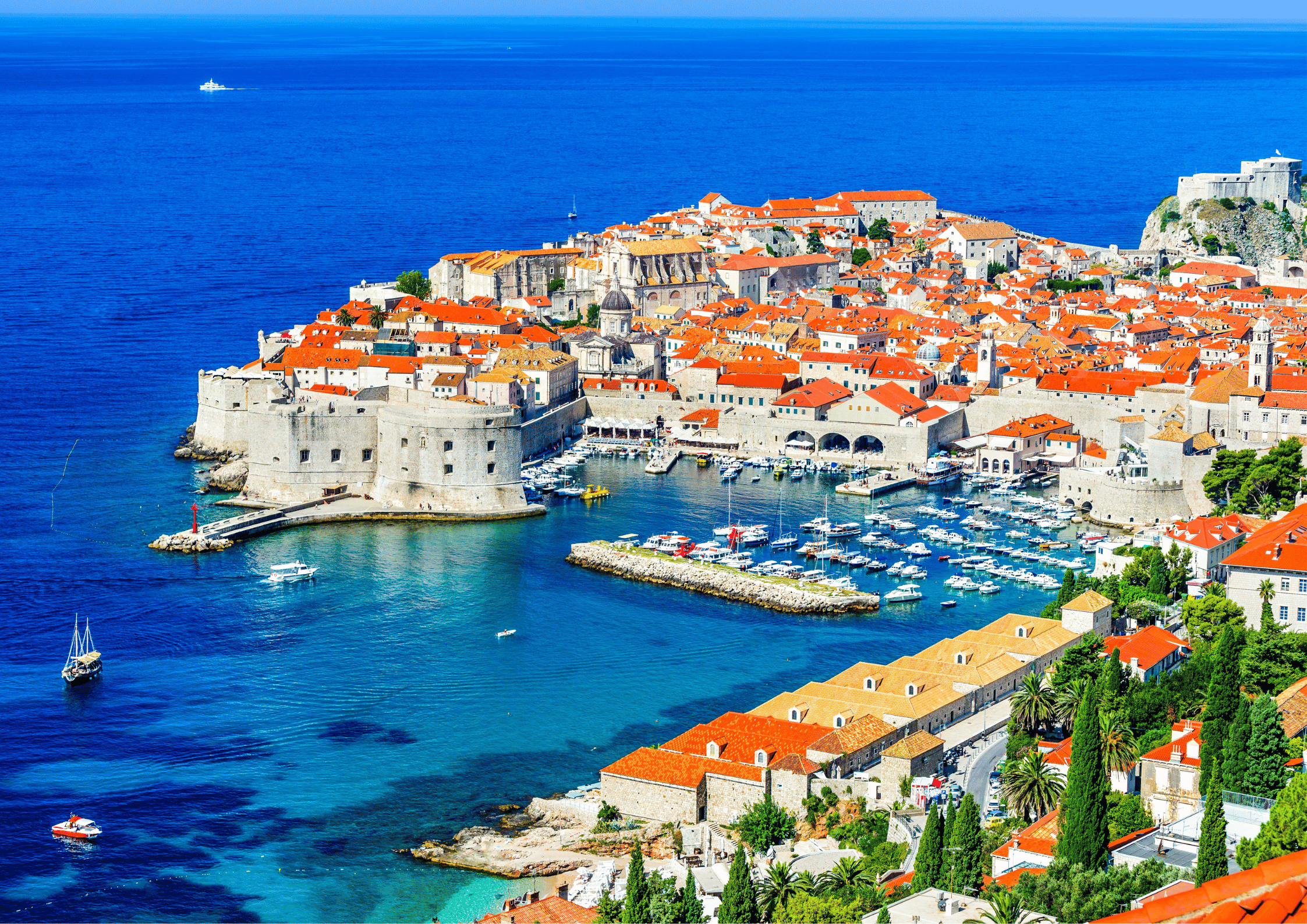
Croatia was one of the first European countries to introduce a digital nomad visa.
Why it’s popular
- Affordable coastal living
- Established digital nomad programs
- Strong summer nomad scene
Top locations
- Split (primary hub)
- Dubrovnik (premium lifestyle)
- Zagreb (year-round option)
Things to consider
- Seasonal demand (summer peak, winter slowdown)
Best for: Coastal lifestyle and short-to-mid-term stays
6. Malta
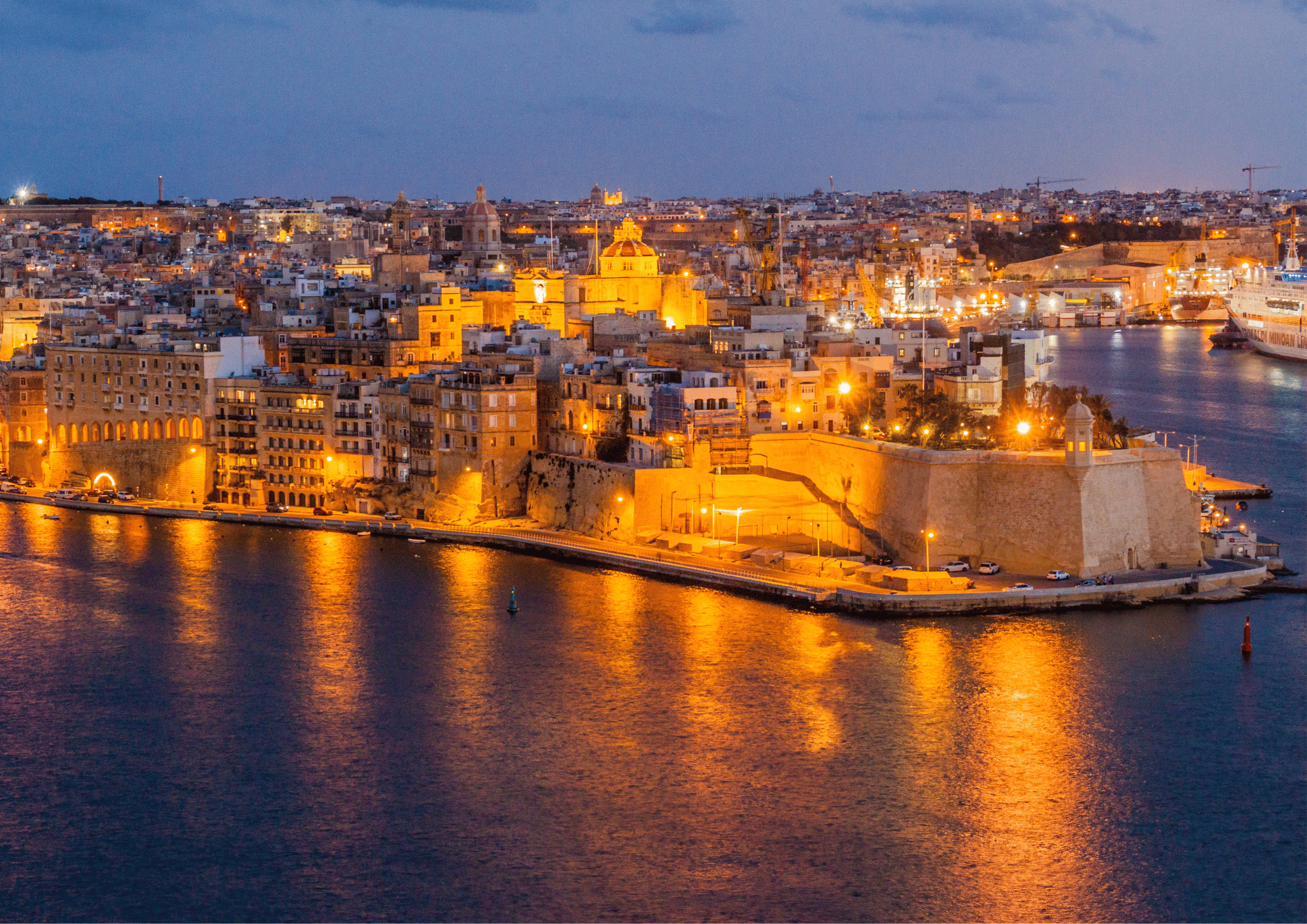
Malta is one of the easiest transitions for English-speaking digital nomads.
Why it’s popular
- English is widely spoken
- Nomad Residence Permit
- Strong infrastructure
Top areas
- Valletta
- Sliema
- St. Julian’s
Things to consider
- Higher cost than Eastern Europe
- Smaller country with limited variety
Best for: English speakers and ease of relocation
7. Estonia
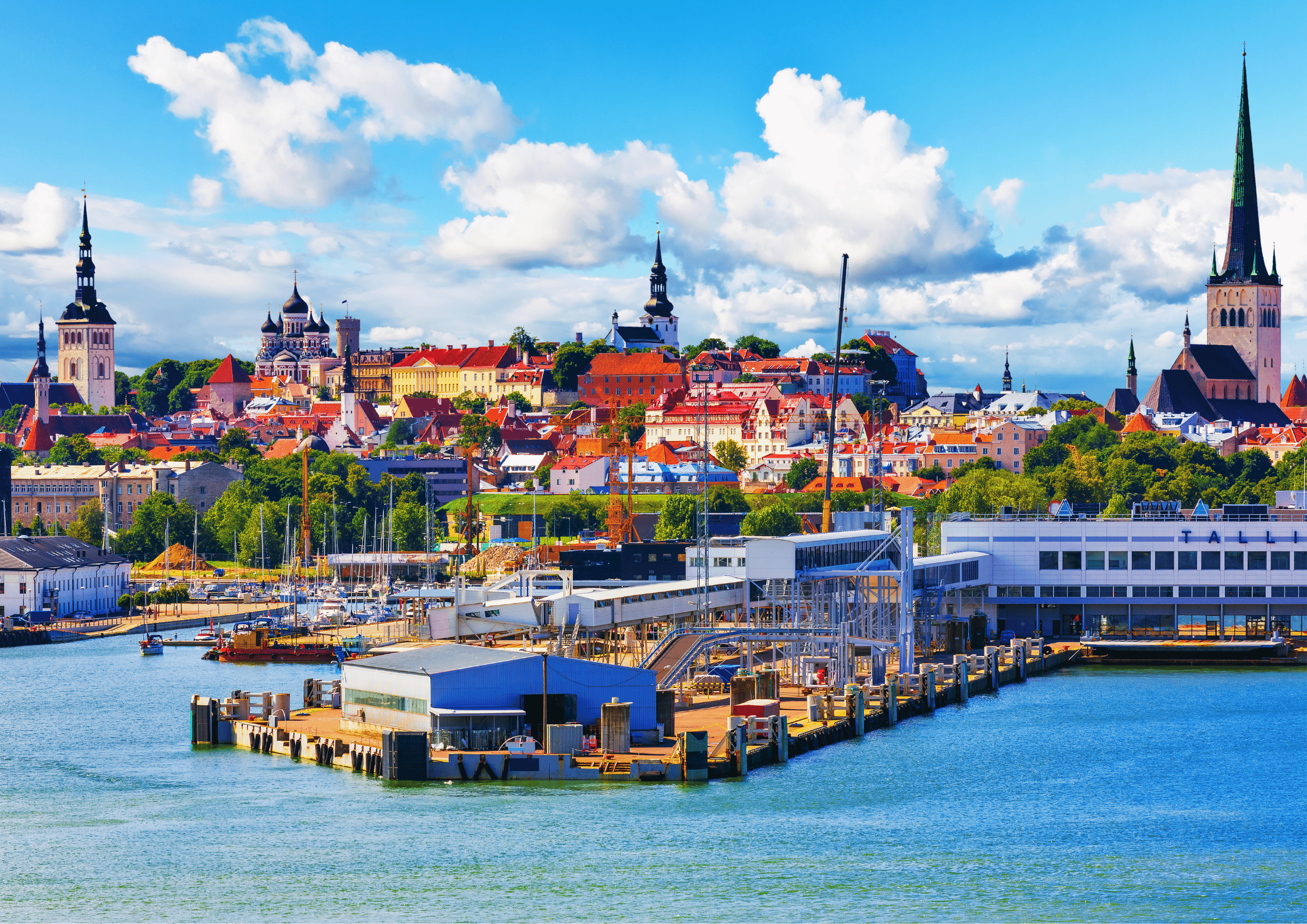
Estonia was a pioneer in digital nomad visas and remote work infrastructure.
Why it’s popular
- First official digital nomad visa
- E-residency program for entrepreneurs
- Advanced digital ecosystem
Top location
- Tallinn
Things to consider
- Cold climate
- Higher cost than Eastern Europe
Best for: Tech workers and online entrepreneurs
8. Germany (Freelancer Visa)
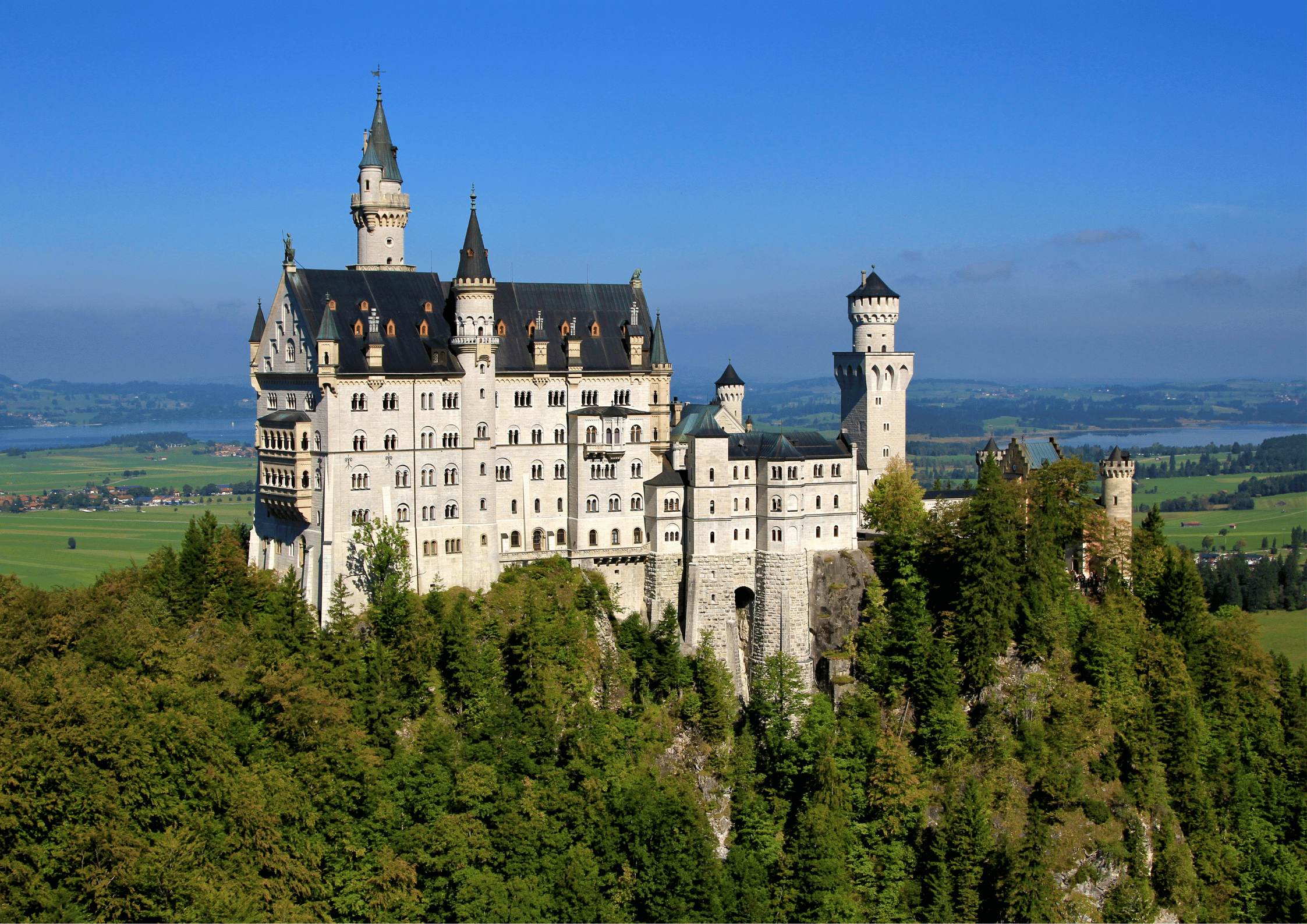
Germany remains a top destination for freelancers and creatives.
Why it’s popular
- Freelancer visa (Freiberufler)
- Strong economy and job opportunities
- Berlin as a global nomad hub
Top city
- Berlin
Things to consider
- Complex bureaucracy
- Higher cost of living
Best for: Freelancers, creatives, and long-term European base
9. Bulgaria (Emerging Destination)
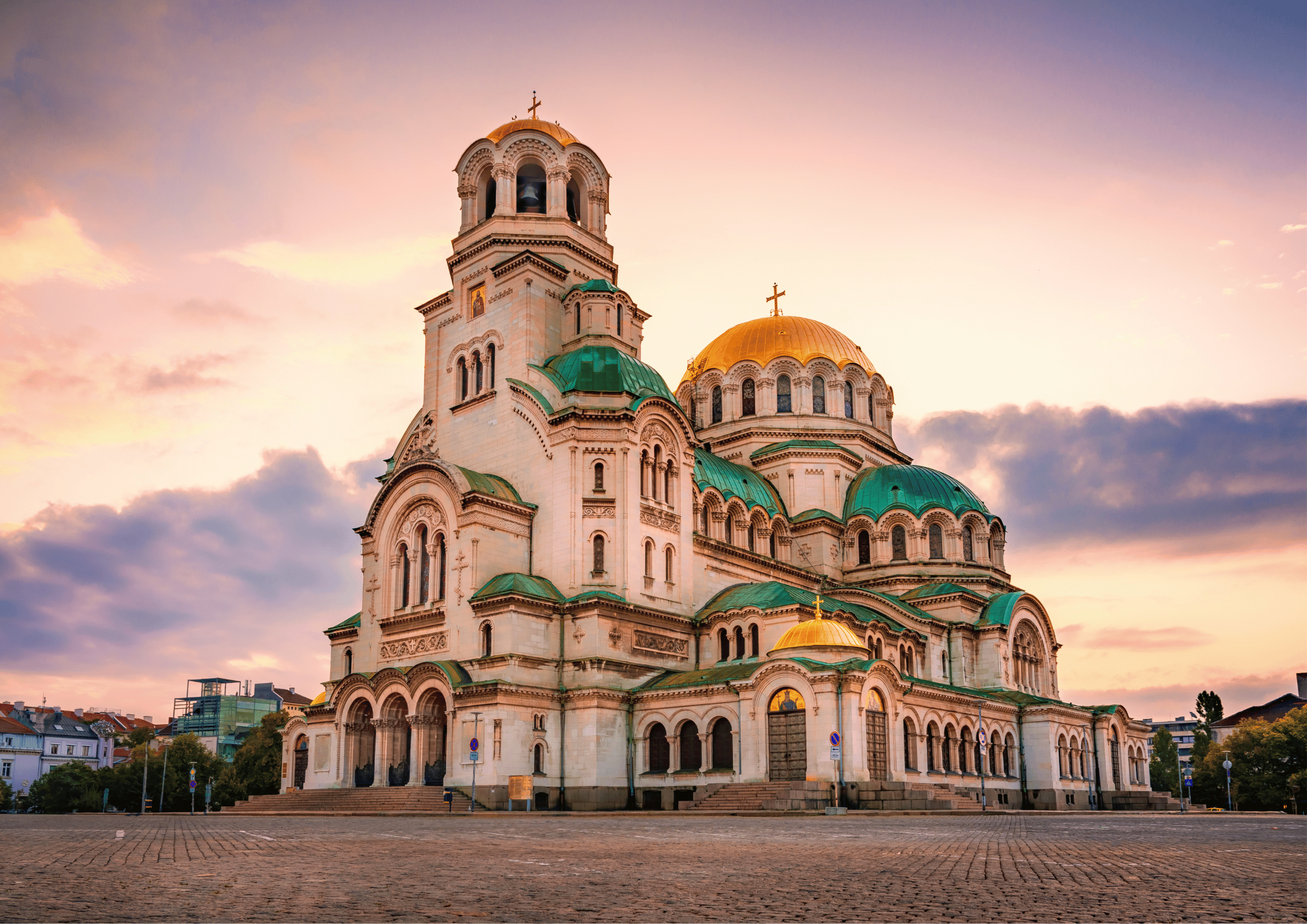
Bulgaria is one of the fastest-growing digital nomad destinations in Europe in 2026.
Why it’s popular
- Low cost of living
- New digital nomad visa initiatives
- Increasing popularity (Bansko nomad hub)
Top locations
- Sofia (capital)
- Bansko (well-known nomad hotspot)
Things to consider
- Infrastructure still developing
- Smaller expat communities than Western Europe
Best for: Budget-conscious digital nomads
Final Thoughts: Choosing the Right Country
The best country for you depends on your priorities:
- Best overall: Portugal, Spain
- Best for affordability: Greece, Bulgaria
- Best for culture: Italy
- Best for community: Portugal, Spain
- Best for tech/entrepreneurs: Estonia
- Best for freelancers: Germany
Europe offers unmatched flexibility, making it possible to move between countries and experience multiple lifestyles within a single region.